homeschooldrama.com blog
How to Direct a Play
The concern about memorizing lines can cause a lot of students to have anxiety or to lack interest in performing for fear they will make a mistake and embarrass themselves if they don’t remember their lines.
In my twenty years of homeschooling, I have enjoyed directing numerous plays with my kids and our fellow homeschoolers and want to share what I’ve learned and continue to learn with you.
There are many techniques on how to memorize lines. Not every method works for everyone, so it's good to try some out and see what works best for you. Sometimes there's one way that is best, while other times you might find a combination of techniques to work for you. Sometimes it just depends what you are memorizing. Here are eight tips on how to memorize lines that we will be discussing in this blog:
One line at a time
Move around while saying your lines
Say your lines while keeping a beat
Practice with a friend
Record yourself
Slowly take away words
Write the first letter of each word
Consider the context
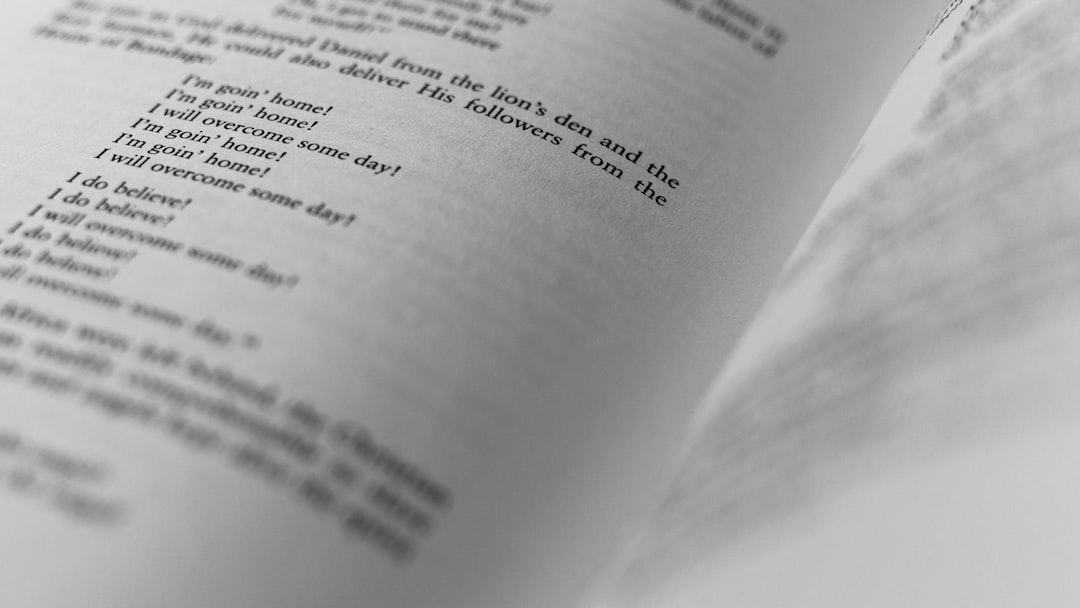
One of the ways my kids and other students have learned to memorize is by learning the material line by line. First you memorize the first line or section, then you add the next. Go back to the first line, then the second, now add a third. We have used this technique not only to memorize lines, but to memorize huge chunks of material like a timeline or the countries and capitals of the world. One year my daughter who was ten at the time, sat focused in her room and memorized 65 lines in one week just by adding one line at a time.
There’s two ways you can go about this. You can walk around as your character will do in the show and say your lines as you move around. You will get used to saying certain things at certain places and therefore remember your lines that way. If you don’t move around a lot for your role or don’t know exactly where you’ll be moving but need to get your lines memorized, you can use the same technique in your house. As you say your lines, walk around and say different parts in different places in your home. As you remember the different rooms in your house, you will recall the lines you said in each room. It gives you a visual to go along with the lines you are saying.
In the movie, Akeelah and the Bee, the main character is memorizing a bunch of spelling words for a competition. She learns from her coach that she tends to keep rhythm when she spells certain words, so he gives her a jump rope to use as she learns each word. She ends up jumping rope all over the neighborhood as many members of the community, including the mailman, help her learn her words. At one point in the competition, she gets stuck and can’t remember how to spell a word. Next thing you know, she starts jumping as if she has a jump rope and spells the word one beat at a time.
Another way to keep a beat is with the rhythm of your voice. When my kids were little, I recorded myself saying their memory work, changing the rhythm of how I said each section to help them remember. They can still recall it today in their twenties because of that songlike rhythm or accent that I used to help them learn their memory work. Find the rhythm that works for you!
If you have the opportunity to practice with your fellow actors that is always ideal, as their line can help you remember what to say. Maybe they are asking a question, or they bring up a certain topic which helps you remember what your character has to say about it. If your cast members are not available on a regular basis, then have your sibling or parent or even a grandparent say the other lines to help spark your memory. It’s great to have family encouraging and helping in this way. Sometimes you’ll find, like my daughter and I did, that you will memorize the other characters’ lines as well.
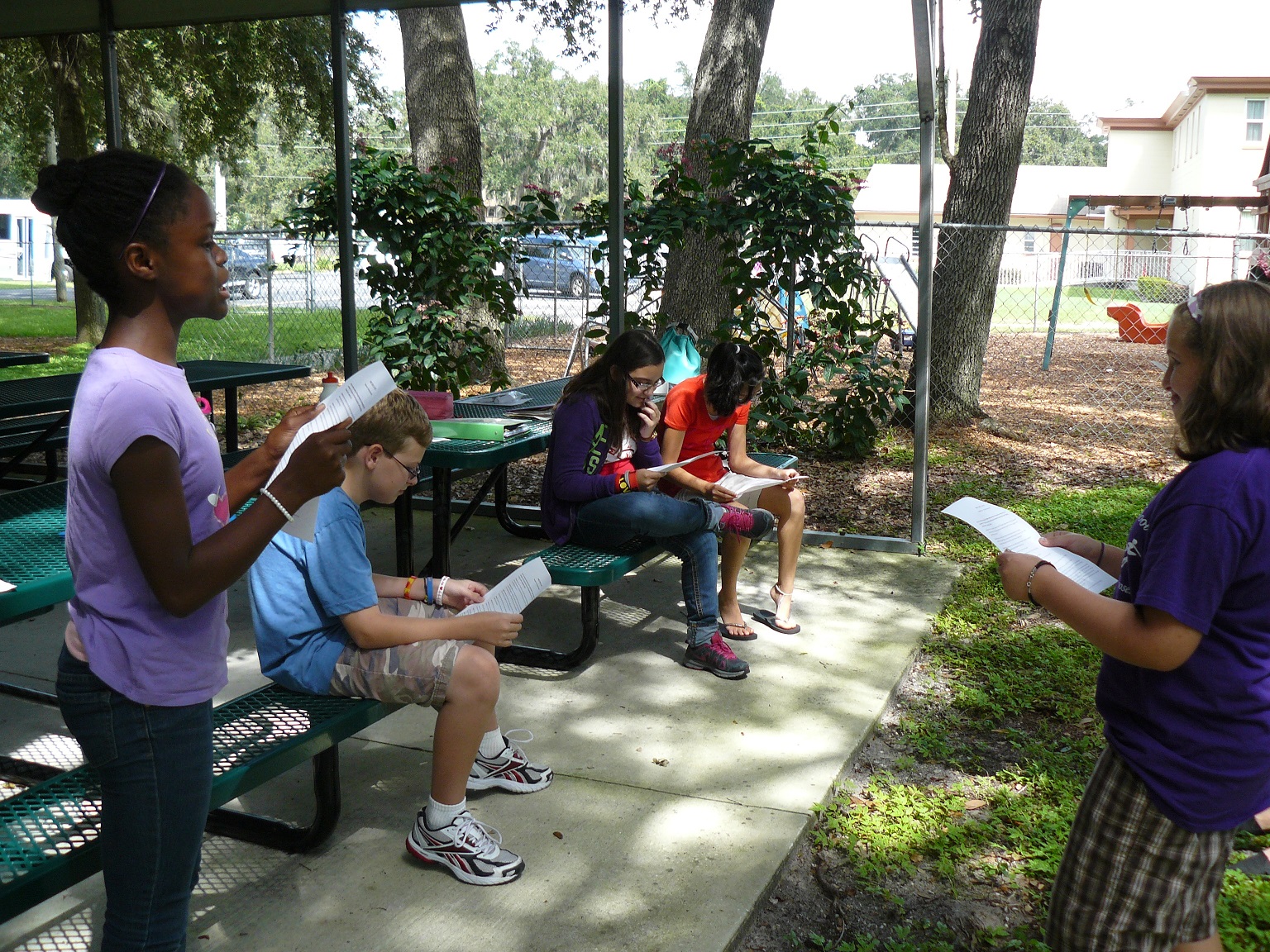
My son especially liked this method which is interesting because he is usually a visual learner. If he sees something, he remembers it. Maybe it was the combination of the two, I don’t know, but he would always record himself saying his speech and listen to it over and over. Maybe he just didn’t want to read it that many times. 😊
He would use the same method for his lines in a play, especially if he had a longer monologue. One time he and his friend were performing a duo interpretation of a Shakespeare play and he recorded the two of them saying their lines. This way he could listen to what the other character was saying to help spark his memory for what he needed to say without that person needing to be there to practice with him every time. They also practiced over the phone when getting together in person wasn’t an option.
This method can also be very helpful as you start to learn all of your lines. Sometimes you have almost all of it memorized but are still getting stuck on a few parts. If you slowly take away what you know and leave behind the key words, you can start to visualize what needs to be said just from those key words.
Another option is to intentionally take sections away to force yourself to come up with the next sentence or part. I think this works really well for visual learners. I know for me, that I visualize where the words are on a page, so it’s important for me to keep it set up the same way, so I can picture the words or phrases I need to say. This helps when working on a speech to present as well. Once I get down to writing my notes, I have to practice it multiple times to remember where those key words are written on my paper or notecard to ensure I won’t leave anything out.
I had never heard of this method before until one of my students showed it to me. This was a student who struggled to memorize and honestly believed he could not do it. He spent many a solo or duo interpretation looking for or asking for his next line. He could never get to a point of acting anything out because he was struggling so much just trying to remember what he had to say. One time, he came to class ready to present and remembered all of his lines plus added some acting to portray his part. 👏 He was acting out something from the Odyssey, which can be complicated enough, but he did a great job. He said he finally found something that worked for him. He wrote the first letter of each word and memorized his monologue or individual lines that way. As long as he could visualize the letters, he could remember the words.
If you think through what is happening in a scene and what you are trying to communicate, it can help you to better remember what you have to say. Ex. I am at the fair and I am going to go on this ride with this friend and we are going to talk about this, then I am going to see the animals with my family and we are going to talk about this. Knowing the context of what you will be talking about can help you remember what you have to say about it and ultimately the exact lines you will be saying while playing your role.
If you forget a line, it’s okay. Most people will never notice. If you create a good rapport with your fellow cast members, you will learn to help someone when they forget, and someone will help you, so the audience never notices the difference. The biggest thing is don’t stand there shrugging your shoulders or get upset that you can’t remember; stay calm, trust your team, and adlib if you have to until you can get back on track. You’ve got this!
You can memorize your lines with these helpful tips:
One line at a time
Move around while saying your lines
Say your lines while keeping a beat
Practice with a friend
Record yourself
Slowly take away words
Write the first letter of each word
Consider the context
Want to make life easier and be the first to know when the next blog is posted? Sign up below for our email newsletter to get the latest news!
If you’re looking for a play to direct or perform to help students hone those memory skills, check out these plays!
Thanks for joining us!
Danielle at homeschooldrama.com