homeschooldrama.com blog
How to Fit Drama into Your Homeschool
So, the curriculum is already set for the semester, and it looks like there is no room for drama. Don't give up! There’s still hope because there are a lot of ways to fit drama into your homeschool curriculum.
Hi! My name is Danielle and I have homeschooled my kids from Pre-K through high school and have found a lot of creative ways to fit drama into our homeschool and want to share what I’ve learned with you.
Depending on the age, you may just want a little drama or may want to find ways to fit it into all of your subjects. There are plenty of examples below pulled from some of our favorite blogs. Pick and choose what you'd like to use and save the others for another semester:
History – act out a character from history
Literature/Reading – act out your favorite book
Writing – present what you write with dramatic flair
Foreign language – write or perform a play in another language
Science – share with others what you’ve learned
Bible/Theology – write a playscript from the Bible
Art – create puppets, props or scenery
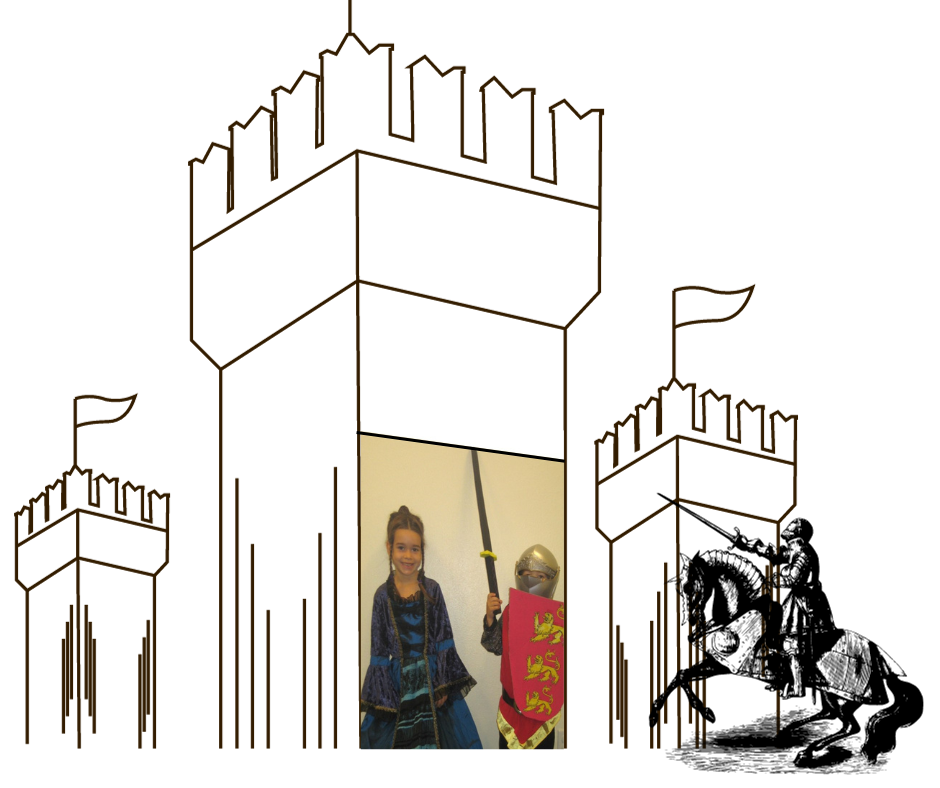
A fun idea we did in the fall was called “Fall into History.” (In the spring they can “Spring into History.”) Kids love to dress up, so we thought it would be fun for them to choose a character they had been studying in history, write something about that character, dress up like them, then present as that character.
You can read more about this idea with examples in our blog Include Drama in Your History Studies.
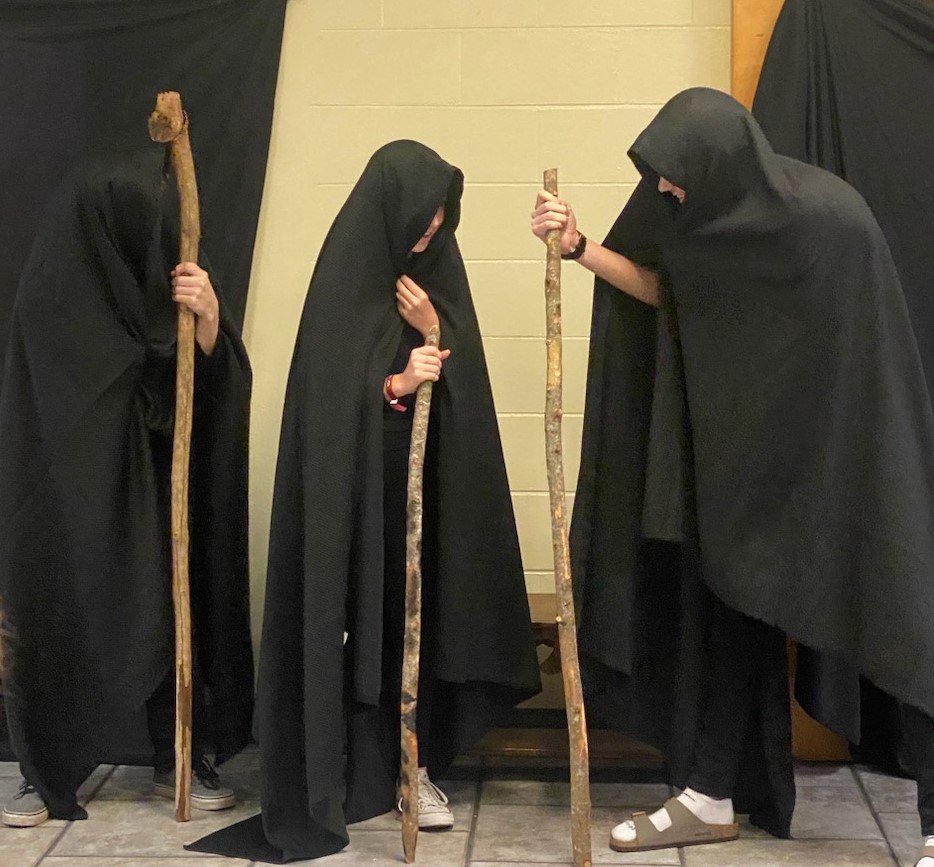
To read Shakespeare or to perform Shakespeare? That should be the question. 😊 Some people feel Shakespeare is too difficult to read, but I think we should stop taking away the hard things and start giving our students opportunities to learn in fun and different ways including adding drama to our homeschool with Shakespeare!
To find out different ways students can act out Shakespeare, read our blog, Shakespeare Was Meant to Be Performed.
Have you considered adding drama to your ancient literature time? Ancient literature can seem quite daunting, especially if you’ve never read any of the books or epic poems before. I found that kids understand what they are reading better when they act out parts of the story.
You can learn how to act out an epic poem in our blog Drama in Ancient Literature.
A really fun way to act out a story is to create a mock trial from the story putting one of the characters on trial for something they did in the book. We have found that students gain a lot of depth in understanding the full story and the consequences of actions while defending their case in a mock trial.
If you want to learn more about this idea, you can read Literature-Based Mock Trial.
For younger students they can act out a story from any of their favorite books or from these Fairy Tales and Fables Mini Plays.
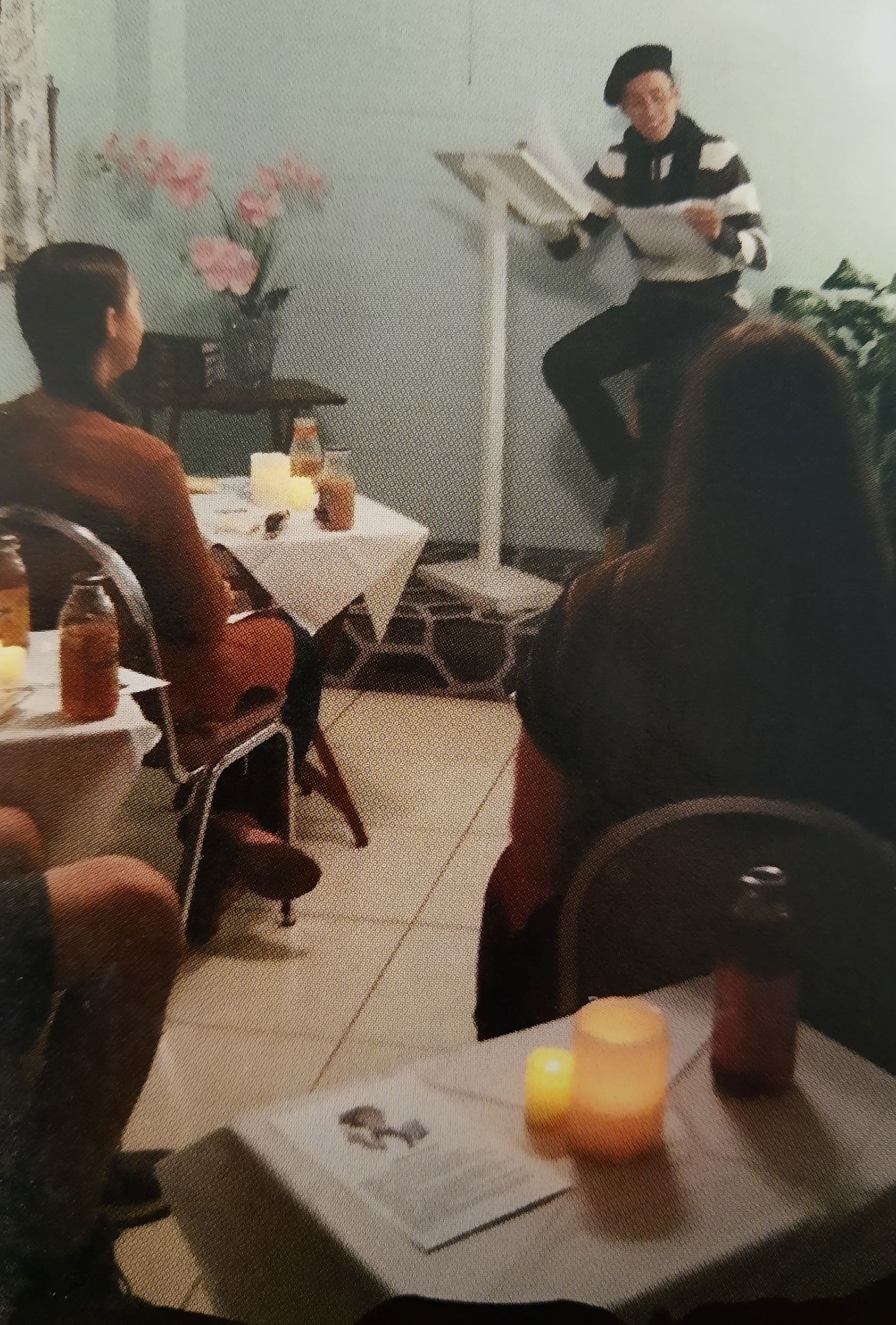
Kids often are motivated to write when there’s an opportunity to present it. When we were studying poetry, many students in our homeschool group were not interested in poetry until we started having a Poetry Café at various points throughout the school year. Once we promoted the opportunity to present their poetry in a fun way with an event, students got excited and started getting really creative with their poetry and presentations.
You can read Have Fun With a Poetry Café to see how the kids really got into this event.
Using their creativity is a wonderful way for them to learn to write well. Read How to Support Your Child’s Creativity for more ways to incorporate drama in your writing curriculum.
You can also check out the How to Write a Playscript drama curriculum to get started writing a play today!
At some point in most students’ education they have to take a foreign language. Through my experience in high school and later with my own kids, we have discovered that acting out a foreign language helps students fully understand what they are reading and trying to learn. The conversations make more sense when students are acting them out with someone else versus just reading them in a book. Even Latin can be performed as a play.
To incorporate drama in your foreign language curriculum, check out Perform a Drama Play in Spanish for examples of what we’ve done from adding just a little bit to writing and performing an entire play!
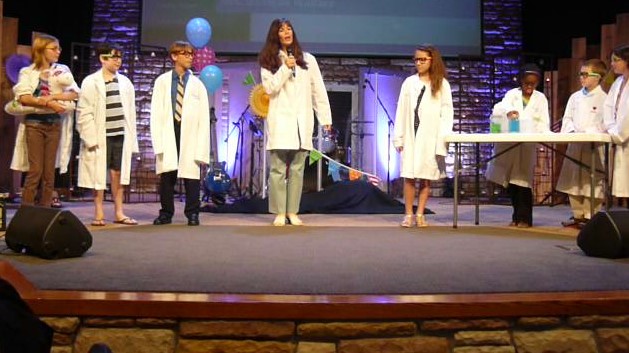
Yes, believe it or not, you can fit drama into your science curriculum. There’s probably some drama you definitely do not want to include, like when your students complain about writing up a lab report, 🤓 but students can have fun sharing with others what they’ve learned with a short script and presentation at an End of Year event or other presentation shared with friends and family.
To see a sample script and example of what we did, check out Year End Event Idea.
What better way to learn more about the Bible and Theology during your studies then to have children write a playscript from their favorite Bible story. It can be a five-minute play or something much longer depending on the amount of time your student has for it and what you’d like them to do with it. My daughter has enjoyed recruiting friends to perform in her plays, and we’ve all enjoyed our tradition of having the neighborhood kids act out the Nativity story during Christmas time.
Your student can start writing a play today with this helpful blog, Write a Playscript from the Bible or this instructional drama curriculum, How to Write a Playscript from the Bible.
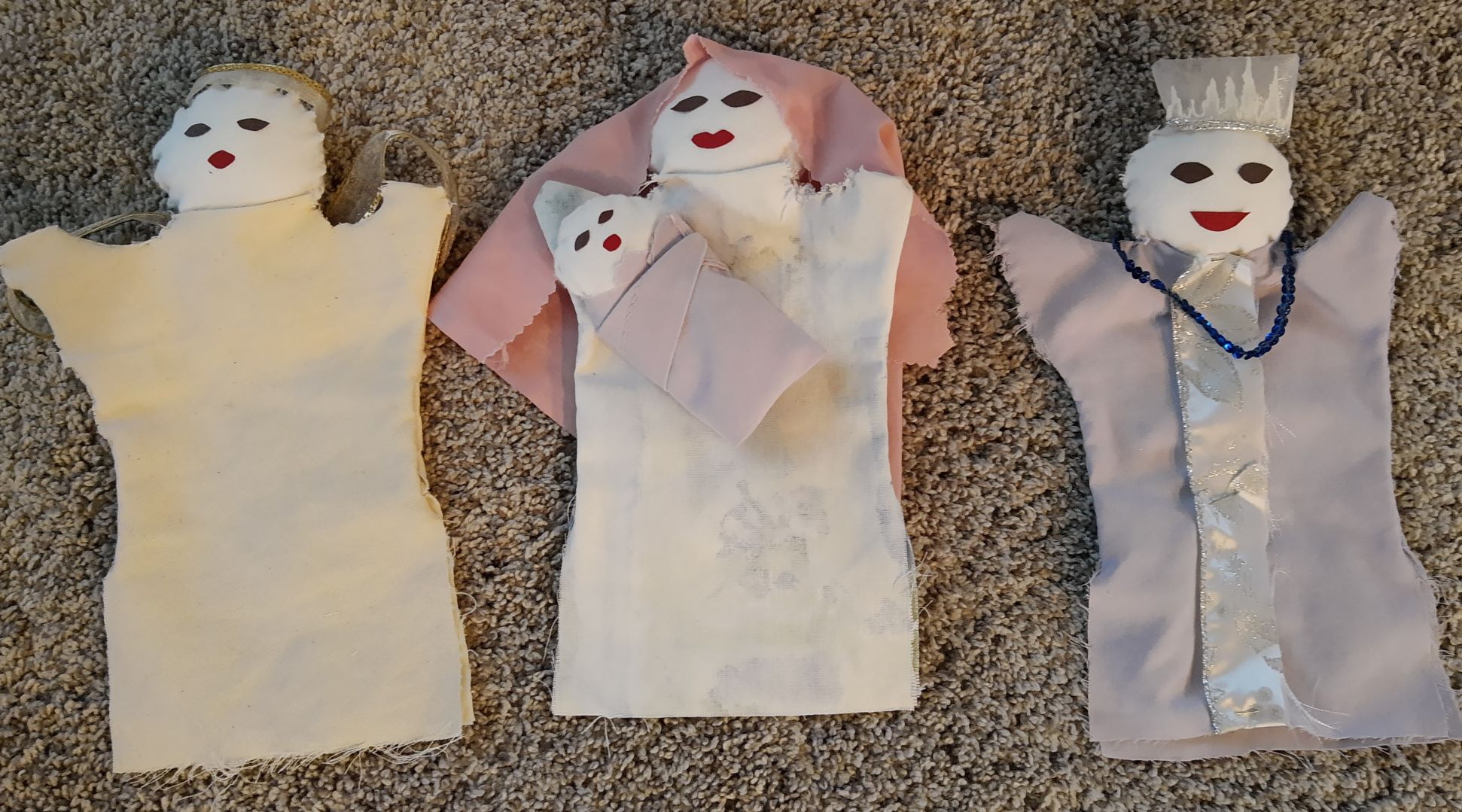
Creating puppets for a puppet show is a fun way to use those artistic skills, plus some more creativity as your student tells a story with the puppets he has created. Puppets come in all shapes and sizes so just use what you have around the house and have fun watching your student create a puppet from popsicle sticks, paper bags, old socks or scrap material.
To see what we did with some scrap material, check out How to Make Hand Puppets.
Another way to add drama to your art class is to create props or scenery for a play. Even if your student doesn’t have time to perform in the play, just creating the sets will give them some artistic experience and help them learn more about what goes into a play from behind the scenes.
You can read Add Drama to Your Art Class for more information and to see some examples of what we’ve done.
You can fit drama into your homeschool by incorporating it into the curriculum you are already doing. Add some dramatic flair to your history curriculum, literature or reading curriculum, writing curriculum, foreign language, science, Bible and art. Whether it’s just a little or a lot, fitting drama into your curriculum can be a fun way for kids to learn more about what they are studying.
Want to make life easier and be the first to know when the next blog is posted? Sign up below for our email newsletter to get the latest news and ideas.
Thanks for joining us!
Danielle at homeschooldrama.com