homeschooldrama.com blog
How to Fit Drama into Your Homeschool
Through summaries and movies, many middle school students have stopped reading whole books and are missing out on what great literature has to offer. Watching movies is great entertainment, but reading adds so much value to a child’s education. Acting out great literature adds even more value as they learn to read, comprehend, and think more deeply about the actions of the characters they are reading.
Hi! My name is Danielle and I have homeschooled my kids from Pre-K through high school. We have found a lot of creative ways to fit drama into our homeschool, and now I want to share what I’ve learned and continue to learn with you.
If you recall from Middle School Students Can Enjoy Great Literature with Drama Part 1, here is the list of some great literature for middle school students found in the public domain:
The Complete Grimm’s Fairy Tales by Jacob and Wilhelm Grimm (1780s-1860s, German)
Jane Eyre – Charlotte Bronte (1816-1855, English)
Little Women – Louisa May Alcott (1832-1888, American)
A Christmas Carol by Charles Dickens (1812-1870, English)
Don Quixote by Miguel de Cervantes (1547-1616, Spanish), Edith Grossman (English translation)
The Wonderful Wizard of Oz by L. Frank Baum (1856-1919, American)
Treasure Island by Robert Louis Stevenson (1850-1894, British)
The Adventures of Tom Sawyer by Mark Twain (1835-1910, American)
The Adventures of Sherlock Holmes by Sir Arthur Conan Doyle (1859-1930, Scottish)
Gulliver’s Travels by Jonathon Swift (1667-1745, Anglo-Irish)
Robinson Crusoe by Daniel Defoe (1660-1731, English)
Bible (I’ve added this to the list because there are always wonderful stories to act out in this best-selling book of all time, according to Guinness World Records, which is also available in the public domain.)
As you can see, these authors who have contributed to some of the best stories ever told are from different countries and centuries, with most books falling between the 16th - 20th centuries. You can find more details about each of these books and authors at britannica.com
Below are some specific examples of ways to add drama to great literature.
Jack and the Beanstalk may feel like a story too young for middle schoolers, but if you take it to the next level with a mock trial, all of a sudden your students see this story from a different perspective.
Who is going to win the case: Jack or the Giant's wife? Students are digging into details they didn’t even know existed when they read it as a fairy tale.
You can easily add this to your homeschool with Jack and the Beanstalk - The Mock Trial curriculum!
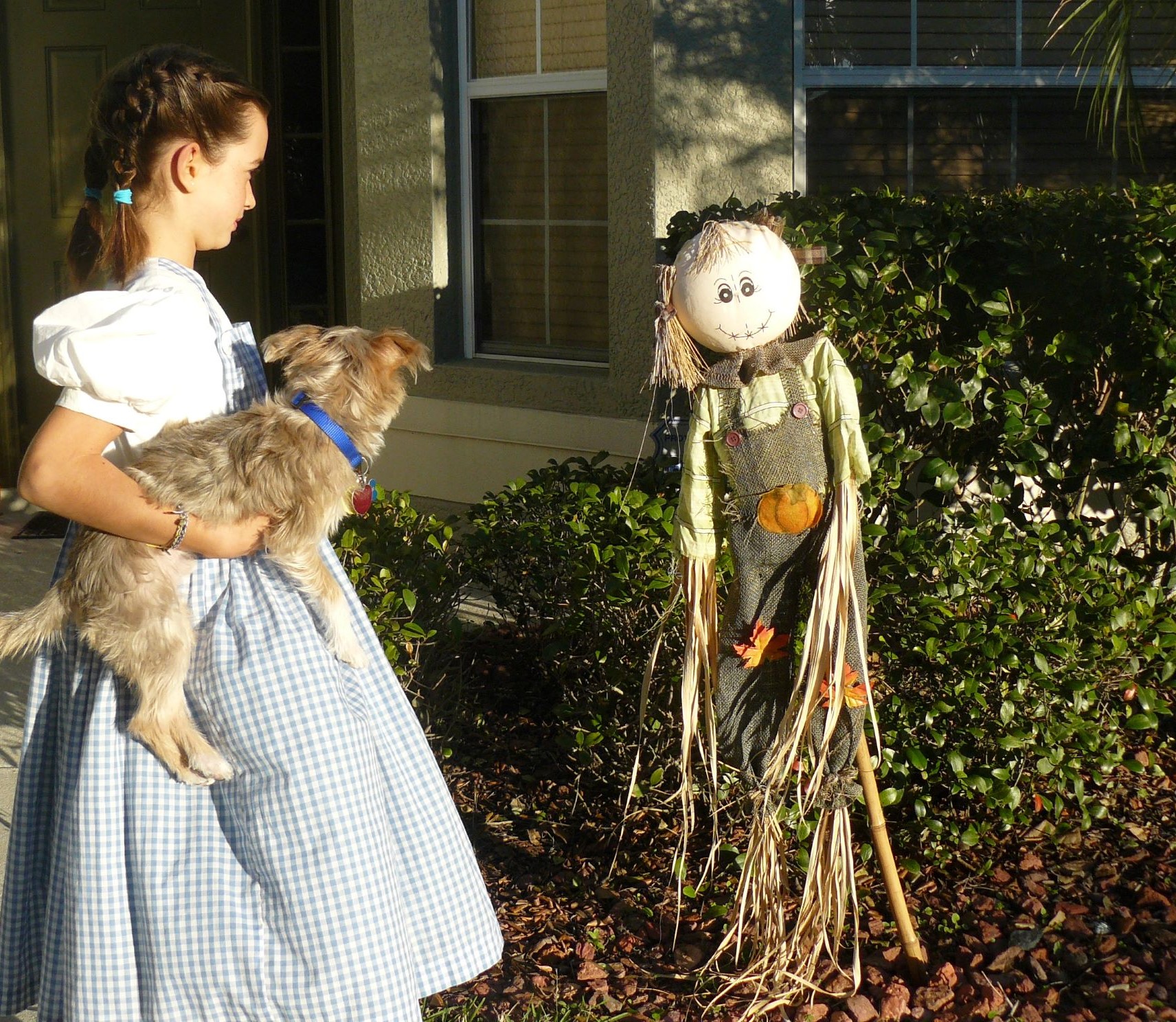
When my sister was in 6th grade, she played Dorothy in The Wonderful Wizard of Oz. If you ask her, this is one of her favorite stories and she has continued to enjoy it by watching other plays related to it like Wicked on Broadway. There’s something about immersing yourself in a story when you play a role. The story comes more to life when you are in it and interacting with the other characters in the book.
Your student doesn't have to be in a full production to enjoy the story. Acting out a scene is just as fun and simple. Be creative and use what you have around you - maybe the yard decorations and your own dog. 😉
Enjoy The Wonderful Wizard of Oz one-act play today!
Another way to dig deeper into great literature and add drama is to write a playscript for a book. This can be an individual activity or you can have a group of students work collaboratively to write a playscript. Creating dialogue to communicate a story and choosing what you will include and what you will leave out, is a great way to fully comprehend the message of the story. (Check out How to Write a Playscript - A Christmas Carol drama curriculum.)
Once the playscript is written, students can choose to act it out, direct a play with other students as the actors, or submit it to a theater for a possibility for it to be performed. (Find the full playscript here!)
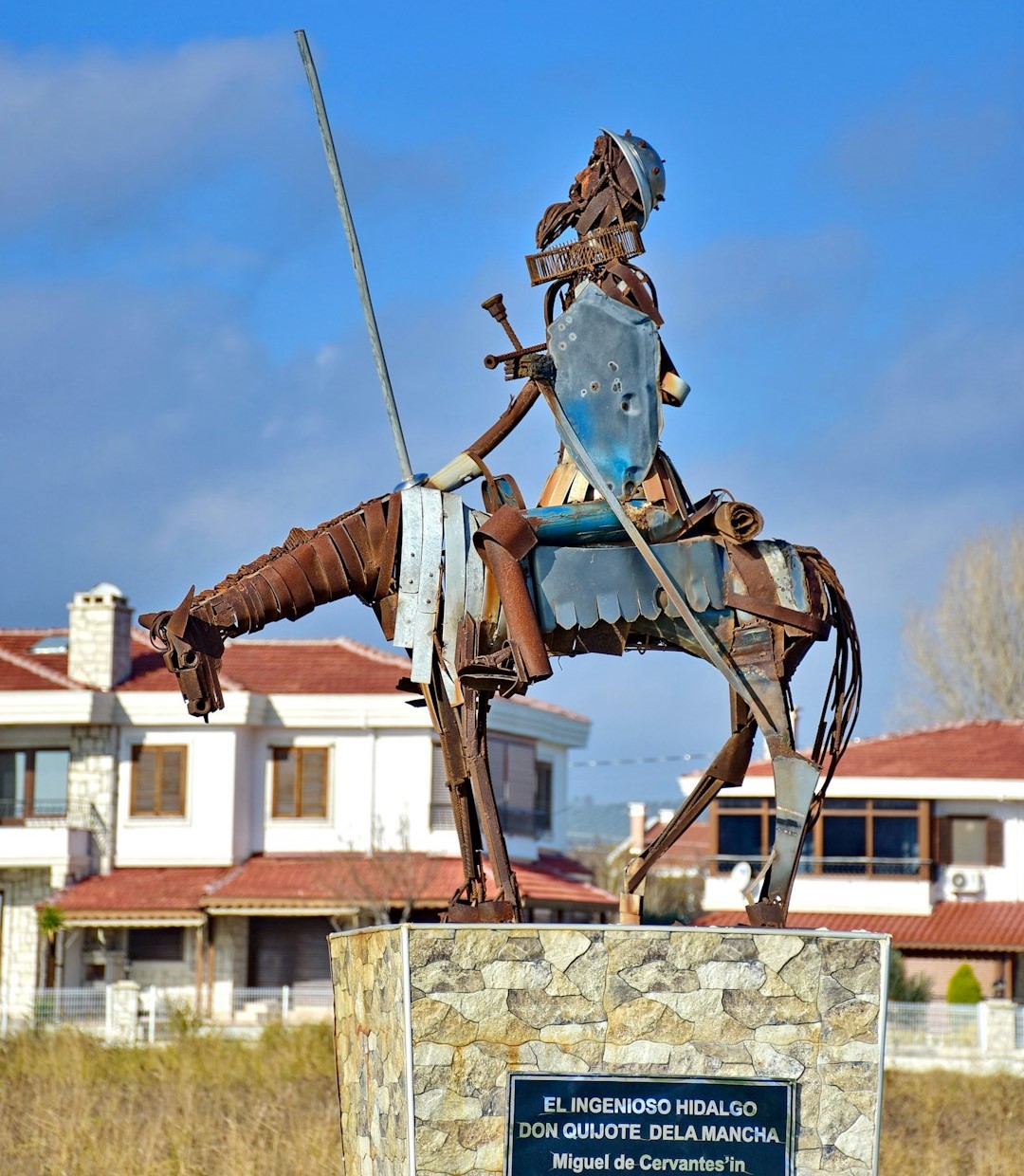
I read this story in Spanish class, but it has been translated into numerous languages.
When reading this story, you realize that “Don Quixote” is just a character made up by a man who loves chivalrous tales. He is, in a sense, performing his own skit of a make-believe life using the people, animals and buildings around him to create the scene.
After reading the first part, have students pretend to become a valiant knight with a trusty steed and sidekick and go on their own adventures. Have them create a story keeping in mind that the people around them are not really a part of the story and think they are insane.
How would they act as Don Quixote, and how would they respond as one of the people in his life watching him in his actions?
What kind of “enemies’ would they come across. Have them consider what is around them in the room, building or outside. This is a great time to use their imagination and delve into this world they are creating. They will see it as this valiant/enchanted land, while others will see reality. What does that look like?
How do they get Don Quixote back to reality in their story?
This can be done by improv or thought through a little more, continuing on the humor that is found in the first part of the book.
At any age, the stories of the Bible fill our imagination with what life was like back then. Many parts of the Bible read like an adventure novel keeping us reading just to find out what happened next.
My daughter has written plays based on many Bible stories and recruited her friends to act them out. This has allowed her to think more deeply about the stories she has read and to gather them into one story to perform in front of our neighbors and friends. This has also allowed her friends to become these characters and think about the stories in a new way. All of a sudden they are transported back in time, experiencing the stories in a way they hadn’t before.
You and your student can learn how to write a playscript from the Bible with this curriculum, then invite others to perform in it or just act it out with family at home.
Acting out a story makes it come to life in a new and creative way. Students think more deeply about what is happening in the story as they portray the people they have read about.
Whether you have the book, look it up online, or want to perform the play or mock trial; your middle school student can enjoy and learn so much more about these great works of literature with drama:
Act out directly from the book
Act out the play
Learn how to write a playscript from a book then act it out
Create and perform a mock trial
Want to make life easier and be the first to know when the next blog is posted? Sign up below for our email newsletter to get the latest news and ideas.
Looking for more ways to add drama to your homeschool? Check out our plays and drama curriculum related to this list of great literature and much more!
Thanks for joining us!
Danielle at homeschooldrama.com
It's easy to get our products in your hands with these downloadable PDFs!